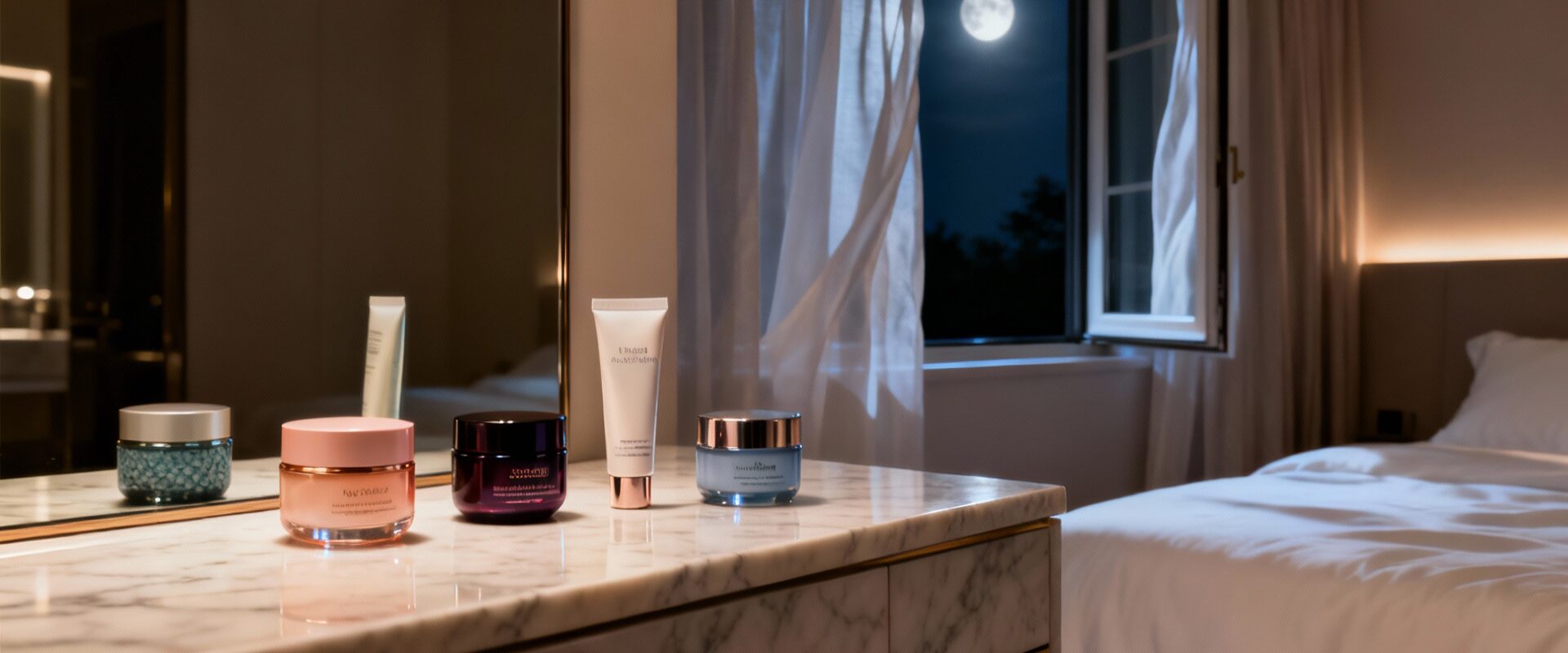
You went to bed with a volcanic chin situation and a calendar reminder that tomorrow is not the day for surprises. I know—most “overnight acne masks” either sting, do nothing, or leave you flaky by morning. I tested four formulas that actually make a difference while you sleep (or in the hours before), and I’m giving you the exact order to use them so you wake up smoother, calmer, and camera-safe.
Why Overnight Acne Masks Work (and When They Don’t)
Let’s settle a myth: you should not sleep in clay. Clay is amazing for vacuuming out oil and debris, but leaving it on until it cracks equals one thing—irritation. The overnight part comes after the rinse, when you seal in calm with a barrier-friendly sleeping mask. That one can stay on while you do nothing but dream about pores that mind their business.
Here’s the play: use a purifying mask for 5–15 minutes to decongest and deflate swelling. Rinse, then load skin with a calming, non-comedogenic overnight layer. By morning, inflammation is down, texture is smoother, and makeup glides instead of catching on angry edges. And if you’re skeptical because you’ve tried this before and woke up tight and shiny? You probably let the clay fully dry or skipped the overnight replenisher. This routine fixes both.
The 4 Best Blemish Masks Right Now
Aztec Secret Indian Healing Clay Mask: The deep-clean beast. This 100% calcium bentonite powder pulls gunk like a magnet. Mix a teaspoon with equal parts water (use a non-metal bowl) into a yogurt-thick paste. You’ll feel a pulsing, tightening sensation—that’s normal. Best for oil-prone skin, underground congestion, and stubborn blackheads. Caveat: limit to once weekly and never let it fully crack on your face; over-drying invites rebound oil and flakes.
Innisfree Super Volcanic Pore Clay Mask: Your T-zone’s tidy-up crew. This mousse-like volcanic clay spreads thin, sets softly, and lifts excess sebum without the scorched-earth aftermath. Great for shiny foreheads, visible nose pores, and anyone who wants a smoother canvas in 10 minutes. Caveat: keep it to the oily zones and mist your face lightly if it starts to dry unevenly—clay should stay slightly damp while it works.
SOME BY MI Real Tea Tree Calming Care Mask: The “my pimple is throbbing” sheet mask. Drenched in a watery tea tree essence, it smells lightly medicinal (in a reassuring spa-apothecary way) and gives that instant cool-down on contact. Ideal for inflamed whiteheads and reactive redness after a long day. Caveat: tea tree can be strong; patch test first and don’t layer with harsh actives the same night.
COSRX Ultimate Nourishing Rice Overnight Spa Mask by COSRX: The secret sauce that makes the whole routine overnight-friendly. This lightweight, custard-like cream glides over damp skin and disappears into a velvety finish—no stickiness on your pillowcase. The rice extract helps soften the look of post-blemish marks over time while keeping your barrier calm. Caveat: it’s not a spot treatment; think of it as your seal-and-heal final step.
Exact Application: How to Use Each Mask for Results
If you only copy one thing from me, make it this sequence. It’s the difference between waking up less inflamed versus waking up tight, shiny, and annoyed.
- Evening cleanse: Rinse with lukewarm water and a gentle cleanser for 30 seconds—no scrubbing. Pat skin until just damp, not dripping.
- Choose your pre-sleep decongestor: If you’re oilier with clogged pores, spread a nickel-sized amount of Innisfree Super Volcanic Pore Clay Mask across your T‑zone in a thin, even veil. If you have deeper, stubborn congestion, mix 1 level teaspoon of Aztec Secret Indian Healing Clay Mask with 1 teaspoon water. Apply with fingers or a mask brush in upward strokes.
- Timing: Set a timer. Sensitive skin: 5–7 minutes. Normal/oily: 8–12 minutes. Do not wait for cracks. If edges start to pale, mist lightly to keep it flexible.
- Rinse precisely: Use lukewarm water and gentle, circular motions with your fingertips to loosen the mask. Don’t scour with a washcloth; it micro-scratches and spikes inflammation.
- Calming interlude: Press a palmful of cool water onto skin and pat dry until slightly damp. If you’re in crisis mode (angry, warm-to-touch pimple), apply SOME BY MI Real Tea Tree Calming Care Mask for 15–20 minutes. Pinch the pouch to saturate the sheet before unfolding; align around nose and press the forehead and chin edges flat for even contact. Remove and gently press in leftover essence for 30 seconds. If you’re sensitive, lightly rinse after 20–30 minutes to avoid overexposure.
- Seal the calm overnight: Scoop a pea-to-blueberry amount of COSRX Ultimate Nourishing Rice Overnight Spa Mask by COSRX, warm it between fingertips, then press onto cheeks first (where we need moisture most) and sweep outward across the T‑zone. Add a rice-grain extra to the corners of the mouth and around the nose if those areas flake.
- Spot detail (optional): If a whitehead is peaking, dab the thinnest film of the COSRX mask just around it and leave the center bare so it doesn’t get too occluded. You’re balancing calm with airflow.
- Sleep smart: Flip your pillow to the clean side and avoid face-down sleeping—pressure can inflame cystic spots.
Morning reality check: You should see less redness, smoother pore edges, and makeup that sits flatter. If a spot is still swollen, repeat only the sheet mask step that evening, then seal again with the COSRX rice mask.
Common Mistakes That Make Acne Masks Backfire
- Letting clay fully dry. The dramatic cracking moment is TikTok theater, not good skincare. Remove while it’s just set and slightly tacky.
- Masking too often. More clay will not equal fewer pimples. Use Aztec Secret Indian Healing Clay Mask once weekly and Innisfree Super Volcanic Pore Clay Mask up to twice weekly on oily zones.
- Skipping the seal. If you don’t follow with an overnight calmer, your skin rebounds with extra oil. COSRX Ultimate Nourishing Rice Overnight Spa Mask by COSRX prevents that bounce-back.
- Overdoing tea tree. It’s potent. With SOME BY MI Real Tea Tree Calming Care Mask, start slow. Don’t pair with strong exfoliants the same night.
- Smearing clay on active, open lesions. If a blemish has broken skin, keep clay off that area and rely on cooling and barrier support instead.
The Bottom Line: Which Mask Fits Your Skin
If your T‑zone shines by noon and pores look raised, reach for Innisfree Super Volcanic Pore Clay Mask 1–2 nights a week and always follow with the COSRX rice mask. If you need a once-weekly deep reset for stubborn blackheads and underground congestion, use Aztec Secret Indian Healing Clay Mask—short wear time, thin layer, non-metal bowl, and never until it cracks. If your breakout feels hot, red, and angry, lay on SOME BY MI Real Tea Tree Calming Care Mask for 15–20 minutes, then seal with COSRX Ultimate Nourishing Rice Overnight Spa Mask by COSRX to keep the calm overnight.
And if you’re chasing a clearer morning for a big event, here’s the exact night-before stack: quick clay on the T‑zone (Innisfree for most, Aztec if you’re severely congested), cool down with the SOME BY MI sheet mask if inflamed, then lock it all in with COSRX rice. No harsh scrubs, no marathon masking, no tight, shiny face. Just smoother texture, less redness, and skin that looks like you got sleep and good decisions—even if you didn’t.
This post contains affiliate links. We may earn a commission when you shop through our links.
Frequently Asked Questions
Can I sleep in a clay mask to dry out pimples faster?
No. Clay should be a 5–15 minute treatment, not an overnight mask. Use clay in the evening, rinse, then follow with a calming overnight formula like COSRX to wake up clearer without irritation.
Will tea tree irritate sensitive skin?
It can if overused. With SOME BY MI Real Tea Tree Calming Care Mask, start once a week for 10–15 minutes and rinse any leftover essence after 20–30 minutes if you feel tingling. Always patch test along jawline first.
How often should I use these masks?
Aztec clay: once weekly max. Innisfree volcanic clay: 1–2x per week on T‑zone. SOME BY MI tea tree sheet: 1–2x weekly during active breakouts. COSRX rice sleeping mask: 2–4x per week to calm and fade marks.