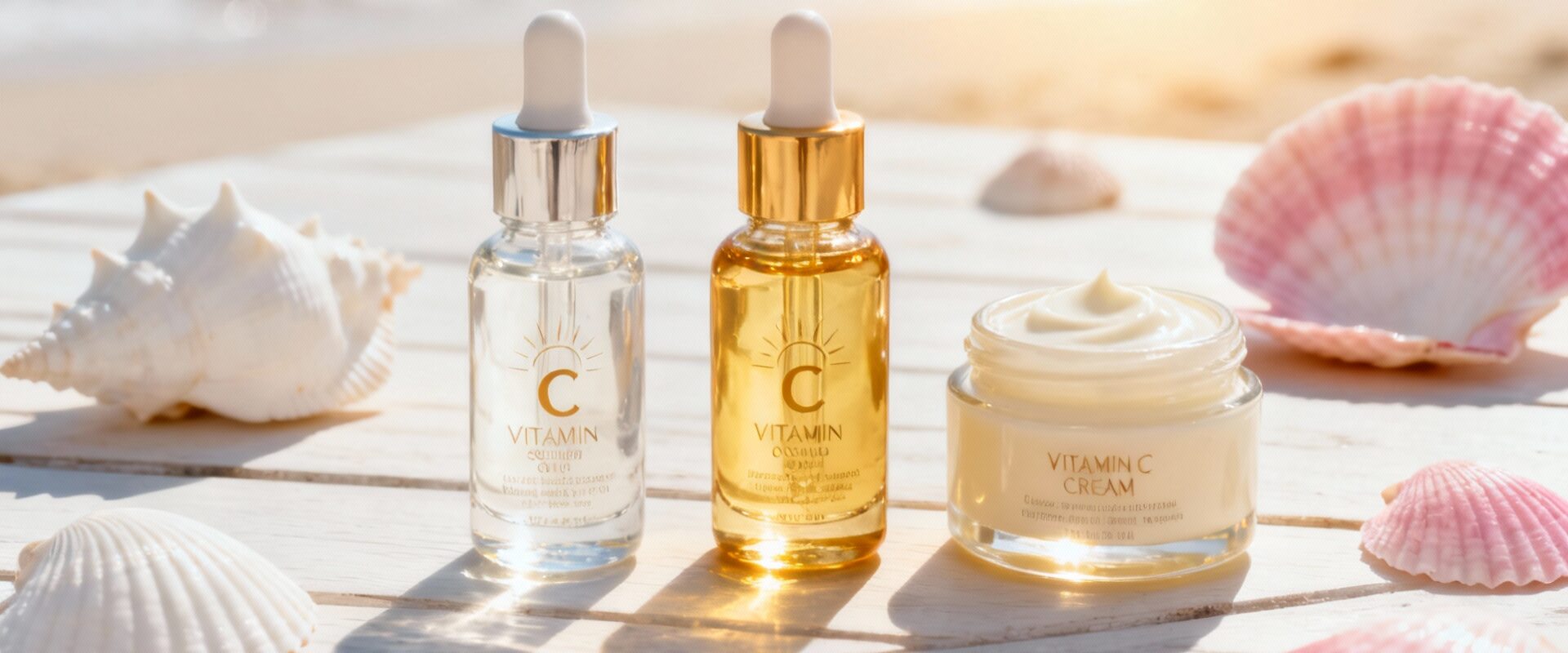
If you’ve tried a vitamin C and thought, “Why is this sticky?” or “Why does this feel heavy under makeup?”—it’s not you; it’s the texture. The delivery system of your vitamin C (water-based serum, oil, or cream) changes how it absorbs, how it layers, and ultimately, the glow you see in the mirror. Consider this your luxury guide to choosing the right vitamin C texture for your skin type, climate, and routine—so you get brighter, more even tone without irritation or pilling.
Why Texture Matters for Vitamin C
Vitamin C is a family of actives, not a single ingredient. L-ascorbic acid is the gold standard for fast brightening and antioxidant protection, but it’s water-soluble and pH sensitive. Oil-soluble forms like tetrahexyldecyl ascorbate (THD) deliver beautifully in oils and tend to be gentler. Many creams use stabilized derivatives and buffer them with emollients for comfort. Texture determines:
- Penetration and speed: Water serums often feel light, absorb fast, and work well under SPF and makeup. Oils move slower but can penetrate lipid-rich layers and support barrier comfort. Creams cushion the skin and prolong hydration.
- Stability and irritation: Water-based formulas with L-ascorbic acid need smart packaging and antioxidants (like ferulic acid and vitamin E). Oils and creams often use gentler derivatives and can be better for reactive or dry skin.
- Layering and finish: Want glassy, makeup-gripping skin? Water-based. Want comfort and glow in dry climates? Oils and creams shine.
Water-Based Vitamin C Serums: Lightweight Brightening
Best for: Normal to oily skin, humid climates, those who love a minimal-feel layer under sunscreen. Also great if you’re chasing maximum “bright in 4–6 weeks” results and your skin tolerates actives well.
What they use: Often L-ascorbic acid at 10–15% with supporting antioxidants like vitamin E and ferulic acid, or stabilized water-soluble derivatives like sodium ascorbyl phosphate.
Pros: Fast absorption, weightless feel, excellent under makeup and mineral or chemical SPF, typically the most potent for tackling hyperpigmentation quickly.
Cons: Can tingle, especially on compromised barriers; may oxidize if packaging is poor; needs consistent use and proper storage.
Pro tip: If you’re prone to shine, pair a water-based vitamin C with a gel moisturizer and a satin-finish SPF to avoid mid-day greasiness.
Oil-Based Vitamin C: Nourishing Glow and Barrier Support
Best for: Dry, mature, or retinoid-compromised skin; cold or windy climates; anyone who wants glow without adding a heavy cream.
What they use: Oil-soluble vitamin C like THD ascorbate, often blended with plant oils and soothing extracts.
Pros: Cushions the barrier, lower irritation risk, gorgeous slip for facial massage, adds luminosity without as much water loss.
Cons: Can feel too dewy for very oily or acne-prone skin; choose elegant, fast-absorbing oils if you’re layering under makeup.
Pro tip: Two to four drops pressed into damp skin is plenty. If makeup slips, use oil at night or limit to perimeter of the face where you want extra bounce.
Cream-Based Vitamin C: Cushion, Calm, and Brighten
Best for: Normal to dry, sensitive, or post-treatment skin; anyone who loves a one-and-done hydrator that also brightens.
What they use: Stabilized vitamin C derivatives buffered in a cream base with humectants and ceramides.
Pros: Feels comforting, reduces sting, simplifies routines (vitamin C + moisturizer in one step), great for winter or office air-con.
Cons: May be less immediately potent than high-percentage water serums; texture must be chosen carefully to avoid pilling under SPF.
Pro tip: If your skin gets tight after cleansing, move to a cream-based C in winter and return to water-based in summer.
How to Choose by Skin, Climate, and Goals
- Oily/combo or humid climate: Water-based serum. Look for L-ascorbic acid 10–15% with ferulic + vitamin E. Layer under a lightweight SPF. If you’re very sensitive, start every other morning.
- Dry, mature, or cold climate: Oil-based vitamin C or a vitamin C cream. You’ll get brightening plus cushion. Add a hydrating essence underneath for plumpness.
- Sensitive or rosacea-prone: Cream-based or oil-based with THD. Patch test. Avoid fragranced formulas. Start 3x/week then increase.
- Hyperpigmentation/melasma focus: Consistent daily use + high UVA protection is non-negotiable. Consider water-based L-ascorbic acid for speed; if too reactive, switch to an elegant oil or cream with derivatives and pair with azelaic acid at night.
Makeup wearers: To avoid pilling, keep layers thin and allow 60–90 seconds between steps. Water-based vitamin C generally plays best with silicone-based primers and long-wear foundations.
How to Layer Vitamin C (Without Irritation)
- AM basics: Cleanse (gentle), spritz or essence if you use it, apply vitamin C (water serum first; oil or cream after watery layers), moisturizer if needed, then SPF 30–50. Always finish with sunscreen—vitamin C boosts UV defense but doesn’t replace it.
- With niacinamide: It’s fine to combine. Modern formulas are compatible and the duo can visibly refine pores and tone.
- With acids and retinoids: If you’re sensitive, stagger: vitamin C in the morning, retinoid at night. On treatment nights, skip vitamin C if you feel tightness or tingling.
- Packaging and storage: Choose opaque, air-restrictive packaging. Keep water-based L-ascorbic acid away from heat and use within 3–6 months of opening.
Editor-Approved Luxury Picks by Texture
- Dr. Barbara Sturm The Good C Vitamin C Serum (water-based): A refined, elegant formula that blends stabilized vitamin C with soothing botanicals, designed to brighten while respecting sensitive skin. Layers invisibly under moisturizer and SPF without tack.
- Sunday Riley C.E.O. Glow Vitamin C + Turmeric Face Oil (oil-based): THD ascorbate plus golden oils gives you overnight radiance and day-time cushion. Ideal for dry or mature skin, or anyone whose makeup looks better with a touch of glow.
- Dr. Dennis Gross C+ Collagen Deep Cream (cream-based): A plush, fast-absorbing cream that combines stabilized vitamin C with collagen-supporting ingredients for firmer-looking, even-toned skin—perfect for winter or sensitive days.
If you love a full luxury ritual, layer your vitamin C beneath a hydrator you trust. Brands like La Mer or Augustinus Bader make excellent moisturizers that seal in actives without smothering the skin—think of them as the silk slip that helps your vitamin C drape perfectly.
Troubleshooting and FAQs
- Skin stings or flushes: Switch to an oil or cream-based vitamin C, reduce frequency, and ensure your barrier is supported (ceramides, cholesterol, fatty acids).
- Serum turned orange: It’s oxidized. Replace it—oxidized C is less effective and can be pro-oxidant on skin.
- Pills under SPF or makeup: Use less product, allow each layer to set, and try water-based vitamin C with a gel moisturizer and a modern SPF that sits smoothly.
- Not seeing results: Confirm daily SPF, give it 6–8 weeks, and consider adding a targeted night active (azelaic acid or retinoid) while keeping vitamin C in the morning.
The bottom line: Match your vitamin C to your reality—your skin type, your climate, and your routine preferences. Water-based for featherweight, fast results; oil-based for glow and comfort; cream for cushion and calm. Pick one and be consistent. That’s how you get the expensive, even-toned glow you’re after.
This post contains affiliate links. We may earn a commission when you shop through our links.