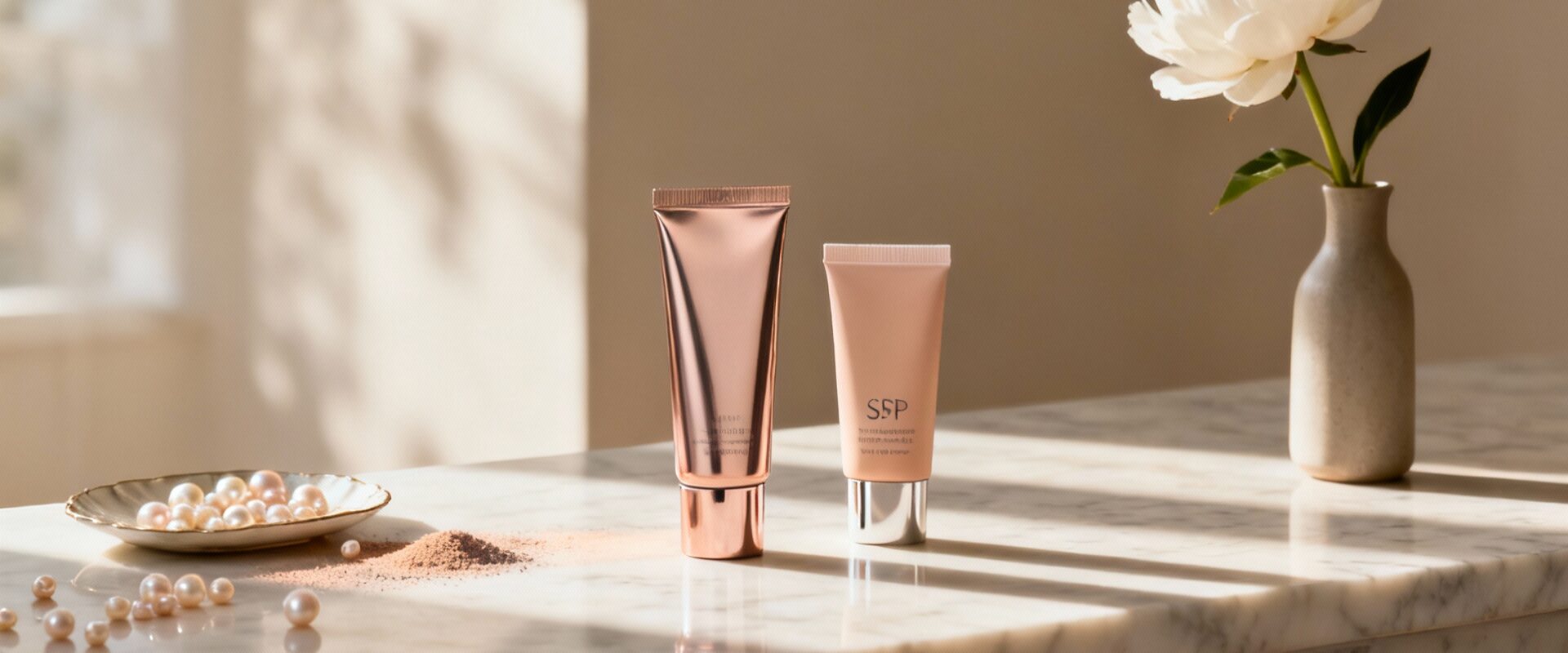
If your perfect summer face is radiant, even, and protected—without a hint of white cast—you’ve probably eyed both the $15 drugstore tinted SPF and the $85 luxury tube. So, which one actually makes you glow harder? We tested and compared across finish, white cast, wear time, and skincare benefits to help you decide where to splurge and where to save.
What Really Changes as Price Goes Up?
Price doesn’t guarantee protection—all FDA/UK/EU-approved sunscreens must meet efficacy standards when used correctly. But the experience and cosmetic elegance often shift dramatically. Here’s what typically improves as you climb the price ladder:
- Texture and spreadability: Luxury formulas often use lighter, more elegant emulsifiers and film-formers that glide, set fast, and resist pilling under makeup.
- Pigment quality and dispersion: Higher-end tints use well-dispersed iron oxides for smoother, streak-free coverage and undertones that look like real skin (especially key for olive and deeper skin tones).
- Finish control: Expect refined matte-to-dewy options, micro-blurring powders, and light-diffusing pearls that soften pores without looking greasy.
- Shade range: Premium brands increasingly offer multiple undertones (neutral, golden, rosy, olive) so the tint disappears into skin instead of sitting on top.
- Skincare actives: Luxury SPF hybrids often include niacinamide, peptides, antioxidants, hyaluronic acid, and ceramides for long-term tone-evening and barrier support.
- Scent and sensitivity: High-end can mean beautiful fragrance—or intentionally fragrance-free. If you’re reactive, check for essential oils and parfum in both budget and luxury picks.
Mineral vs Chemical, White Cast, and Real-Skin Glow
White cast is the quickest way to kill a glow. Here’s how to avoid it:
- Mineral filters (zinc oxide, titanium dioxide): Great for sensitive and acne-prone skin, but they can ghost on deeper tones—unless the formula is tinted and uses finely milled pigments. Iron oxides not only help cancel white cast but can also counteract the look of hyperpigmentation and help with visible light protection.
- Chemical/organic filters (like Tinosorb S/M, avobenzone, etc.): Typically invisible on skin and layer beautifully under makeup. In the US, they vary by brand; in the EU and Asia, you’ll find a wider variety of modern, cosmetically elegant filters.
- Hybrid formulas: Combine mineral and chemical filters for balanced cosmetic elegance and broad coverage.
Finish matters: If you’re oily or live somewhere humid, look for satin-matte textures with blurring powders. Drier or mature skin thrives with cushiony gel-cream SPFs that leave a “soft light” sheen rather than full-on shine.
Performance on Real Skin: Wear Time, Pores, and Transfer
Where luxury tends to pull ahead is day-long wear: thin films that flex with facial movement, blur without caking, and don’t transfer onto collars. Budget winners still exist—they’ve improved massively in recent years—but you may notice a heavier feel or quicker fade, especially with mineral-only tints in hot weather.
- Pore blurring: Look for silica, boron nitride, or soft-focus pearls. Premium formulas often combine these with skincare actives so skin looks smoother even after you wash it off.
- Heat and humidity: For sweat-prone days, water resistance (40–80 minutes) and modern film-formers can be worth the splurge. Reapplication is still non-negotiable.
- Shade fidelity: Undertones that don’t oxidize orange or gray are more common at higher price points, especially for olive and deep complexions.
When to Splurge vs When to Save
Use this as your cheat sheet:
- Splurge if you wear tinted SPF as your daily base instead of foundation, want undetectable undertones, need serious pore-blurring, and prefer an ultra-refined texture that resists pilling and flashback.
- Save if you primarily need dependable protection for errands or beach days, plan to reapply often, and are okay with a simpler finish you can perfect with a separate primer or powder.
- Skin sensitivity: If you react to fragrance or certain filters, prioritize fragrance-free and minimal actives—these can exist at all price points.
Pro tip: For melanin-rich skin dealing with post-acne marks or melasma, tints with iron oxides help neutralize the look of hyperpigmentation and can assist with visible light protection—worth prioritizing whether you spend $15 or $85.
Application: The Radiant, No-Cast Routine
Even the best formula fails if you under-apply. Here’s the routine our editors swear by:
- Prep: Cleanse, then apply a lightweight hydrator. If you use vitamin C or niacinamide, let them fully absorb to reduce pilling.
- Amount: Aim for two finger-lengths of product for face and neck, or roughly 1/4 teaspoon.
- Technique: Dot over face and neck, then press and glide with fingertips. For more coverage, let the first layer set for 60 seconds, then add a second thin layer to the center of the face.
- Set strategically: If you’re oily, press a touch of talc-free setting powder around the T-zone. Keep the perimeters dewy for dimension.
- Reapply: Outdoors or by windows, reapply every two hours. Use a tinted SPF compact, SPF mist, or buff a fresh thin layer over tissue-blotted skin. For makeup days, a damp sponge helps meld reapplication without lifting.
- Don’t dilute your SPF: Avoid mixing SPF with moisturizer or foundation in your palm—it can reduce uniformity. Layer instead.
Editor-Approved Luxury Tinted SPF Picks
If you’re leaning luxury, these formulas justify the price with texture, shade fidelity, and skincare-forward benefits.
- Clé de Peau Beauté UV Protective Cream Tinted SPF 50+: A silky, high-protection tint with elegant filters and a softly blurred, luminous finish that doesn’t slide. The undertones read expensive—think “your skin, but on vacation.”
- La Mer The Radiant SkinTint SPF 30: Featherweight and glow-forward, this is a skin-enhancing veil rather than full coverage. It layers beautifully over serums and leaves a refined, diffused sheen that flatters mature skin especially well.
- Sisley Paris Tinted Sun Care Youth Protector SPF 50+: Cushy, hydrating protection with line-softening optics and reliable shade options. It grips just enough for all-day wear while staying comfortable in heat.
Looking to save? Seek a fragrance-free mineral tint with zinc oxide, iron oxides for tone correction, and a satin finish. Many drugstore formulas now deliver a believable glow and no cast, especially once you add a touch of translucent powder where needed.
The Bottom Line: Which Radiates More?
“More radiance” isn’t just glow—it’s the right kind of glow on your skin type with no white cast, even tone, and dependable wear. Luxury tints often win on texture, undertones, and long-wear elegance. But budget tints are more sophisticated than ever and can absolutely deliver a protected, pore-softening, real-skin finish—especially if you apply enough and reapply correctly.
Choose based on your priorities: splurge for that seamless, camera-ready veil; save for everyday protection you’ll reapply without guilt. Either way, the glow you want is possible—and it starts with the right amount of SPF.
This post contains affiliate links. We may earn a commission when you shop through our links.