You know the look: smooth, poreless, lit-from-within skin that somehow survives flash photography, hot lights, and hours on the carpet. The big question is whether you need a $180 foundation to get there—or if a $22 formula can truly compete. We tested a drugstore staple against a luxury icon, using the same prep, tools, and techniques that celebrity makeup artists rely on, to see which delivers the longest wear, the most believable glow, and the cleanest, pore-blurred finish.
What Makes a Red-Carpet Base Different
Red-carpet skin has three non-negotiables: longevity, texture management, and a believable finish. It isn’t about heavy coverage—it’s about strategic coverage that sits like real skin under cameras. Here’s what top artists prioritize:
- Flexible coverage that builds where you need it (center of the face, around the nose, spot concealing) without caking.
- Pore blurring around texture-prone areas—especially the T-zone and cheeks near the nose.
- Photo-friendly undertones that don’t turn ashy or orange. This is where premium shade ranges can shine.
- Long-wear grip to withstand heat and movement without separating on oilier zones or clinging to dry patches.
- A skin-like finish—usually satin or soft radiant. Glow that looks like health, not highlighter.
$22 vs $180: What You Really Get for the Price
Let’s talk value beyond the bottle. Price doesn’t automatically equal better, but there are differences that can matter depending on your skin and your goals.
- Texture & pigments: Luxury foundations often use finer pigments and more refined emollients, which can mean smoother application and a more forgiving dry-down on textured or mature skin. That soft-focus look usually comes from this.
- Shade range & undertones: Both drugstore and luxury have improved, but high-end lines tend to offer more nuanced undertones that look true in daylight and under flash.
- Skin-care actives: Premium bases may include skincare ingredients (peptides, fermented oils, or soothing agents) for a cushioned feel. This doesn’t replace your routine, but it can improve comfort and finish.
- Longevity: Many drugstore formulas can go the distance when paired with the right primer and powder. Luxury often wins in how gracefully they wear—less patchiness, softer fade, and better oil control without dullness.
- Fragrance & feel: High-end foundations sometimes include fragrance and a signature feel. If you’re sensitive, check ingredients or sample first.
Wear test results (summarized): On normal-to-dry skin, both the $22 and $180 formulas looked comparable for the first four hours with a soft radiant finish. By hour six, the luxury formula maintained a smoother T-zone and fewer smile-line creases. On combination-to-oily skin, both required blotting; the luxury base recovered better after a quick powder touch-up and stayed less patchy around the nose.
How to Apply for a Red-Carpet Finish (Works for Either Price)
Technique is the equalizer. Follow this blueprint and almost any foundation will look like money.
- Prep smart: Exfoliate gently the night before. On the day, hydrate with a light moisturizer and let it fully absorb. Avoid heavy, oily creams right before foundation.
- Prime strategically: Use a smoothing primer only where you need pore blurring (center of face). Leave cheeks freer if you want glow to come through.
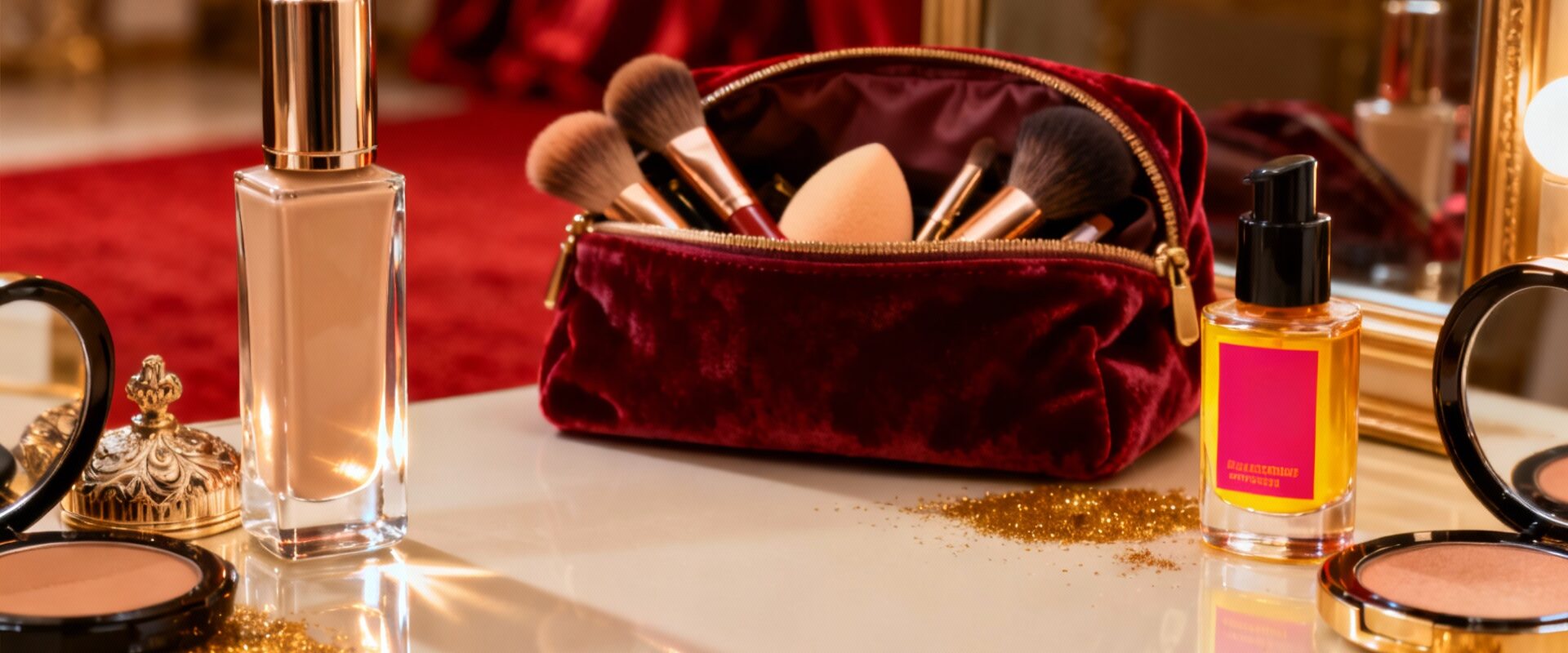
- Thin layers, center-out: Start with a pea-sized amount, applying from the center outward. Stipple with a dense brush for coverage, then bounce a damp sponge to meld the product into skin.
- Spot-conceal last: Conceal redness, under-eyes, and hyperpigmentation after foundation. This avoids over-applying base.
- Set like a pro: Press—not swipe—a micro-fine powder only on the T-zone and around the nose with a velour puff. Mist with setting spray, then lightly tap the puff again for a locked, skin-like finish.
When to Splurge vs Save
If your biggest concerns are pronounced texture, enlarged pores, or mature skin, the luxury formula often earns its price in how it glides, blurs, and wears gracefully. If your skin is balanced and you’re good with mid-day touch-ups, a great $22 option can deliver 90% of the look—especially with the right primer and powder.
- Dry or mature skin: Choose soft-radiant or satin formulas. Add a drop of luminizer to the outer face, never the T-zone.
- Combination or oily skin: Pair a smoothing, oil-controlling primer on the center with a satin or natural-matte base. Blot papers over powder to avoid heaviness, then add a light press of powder only if needed.
- Event days: Whichever base you choose, lock in with a setting spray that reduces transfer without killing glow.
Luxury Picks That Earn Their Keep
If you’re ready to invest where it shows most on camera and in person, these are standouts used by pros for a reason—and they play beautifully with more affordable products.
- Hourglass Vanish Airbrush Primer: A smoothing, humidity-resistant primer that visibly blurs pores and grips foundation without pilling. Ideal under both radiant and natural-matte bases; use sparingly on the T-zone only.
- Giorgio Armani Luminous Silk Foundation: The classic red-carpet base—buildable medium coverage with a soft-focus, skin-like finish that photographs beautifully on most skin types, including mature skin.
- La Mer The Soft Fluid Long Wear Foundation SPF 20: A cushiony, refined texture with skincare comforts and believable radiance. It’s pricey, but excellent for those who want long wear that fades elegantly and minimizes smile-line creasing.
Pro Techniques to Make Any Base Look Expensive
- Undertone match first: Test along jawline in daylight. If you’re between shades, go slightly lighter and use bronzer to balance.
- Mix textures strategically: Want glow? Apply luminizer only to the high points before foundation, or mix one drop into foundation for the outer face. Keep the center satin.
- Brush + sponge combo: Use a brush to place and cover, then a damp sponge to press and de-bulk product. This removes the “makeup-y” edge.
- Powder placement: Powder the sides of the nose, around the mouth, and the center of the forehead. Leave the tops of cheeks fresh for dimension.
- Touch-up the right way: Blot first, then a whisper of powder. Re-misting after blotting resets the finish without heaviness.
The Bottom Line
Can a $22 foundation deliver a red-carpet base? With smart prep, placement, and selective powdering—absolutely. The $180 option often wins on finesse: smoother blur, kinder wear over time, and subtler undertones. Decide based on your skin’s needs and how often you want that flawless, photo-ready finish. Splurge on the products that change texture (primer and your primary foundation), save on setting powder and tools if needed—and remember, technique beats price every time.
This post contains affiliate links. We may earn a commission when you shop through our links.