Glass hair is that ultra-sleek, reflective, frizz-free finish you see on red carpets and in every prestige campaign. It looks expensive because it is—tech, technique, and targeted products work together to seal the cuticle, block humidity, and create a mirror-like surface. If your hair is fine or limp, the challenge is achieving that high-gloss sheet without weighing everything down. Consider this your luxury, no-guesswork roadmap inspired by the kits behind Hailey Bieber’s glass hair moments.
What Is “Glass Hair” and Who Is It For?
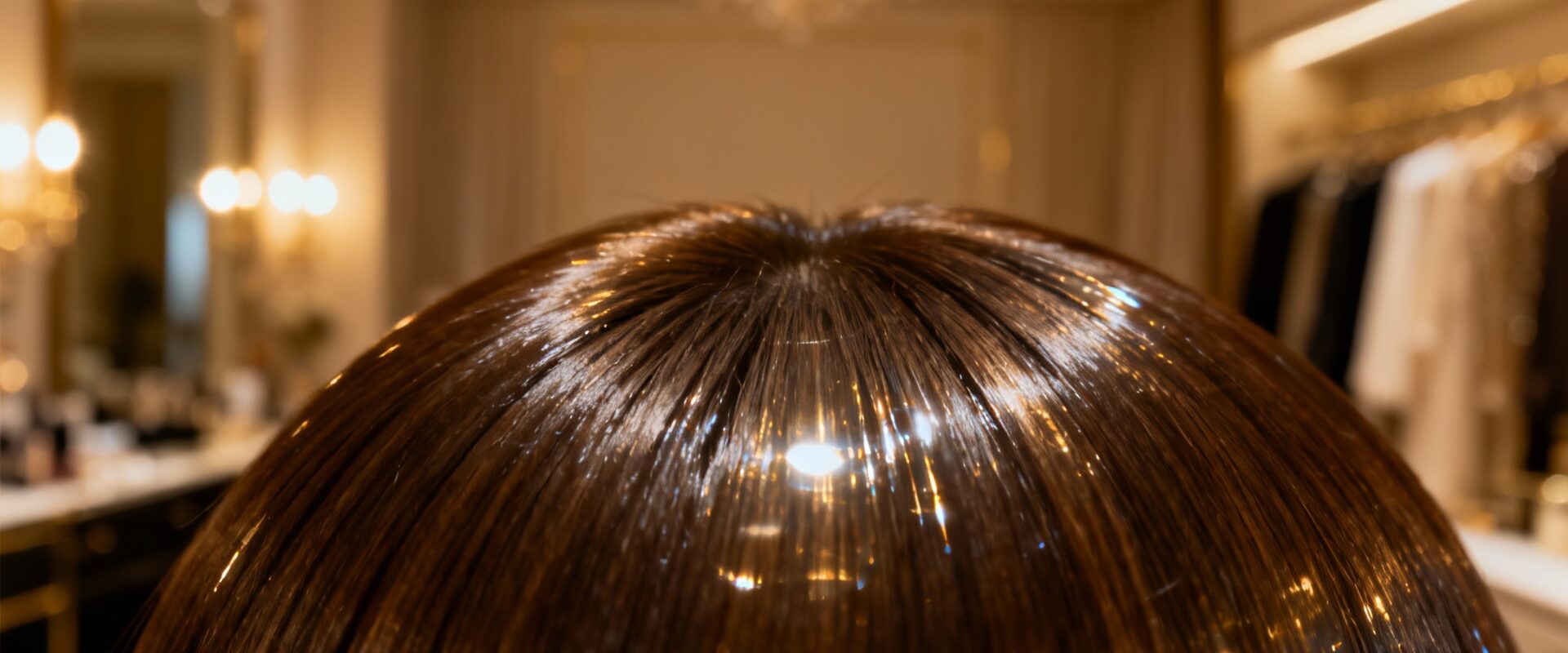
Glass hair is a hyper-smooth, uniform surface that bounces light—think liquid silk. It’s less about natural texture and more about engineering: repairing damage, eliminating frizz, sealing in moisture, and protecting the finish from humidity. Fine hair is actually a great candidate, so long as you use lightweight, bond-building care and humidity-proof sealants instead of heavy oils and waxes. The payoff is a featherlight, reflective finish that lasts beyond day one.
The Exact Pro-Approved Formulas That Create the Look
When celebrity stylists build glass hair on set, they don’t stack a dozen products. They use precise, performance-driven basics that do a lot with a little. These three are non-negotiable for most fine hair:
- K18 Leave-In Molecular Repair Hair Mask — This leave-in is famous for its biomimetic K18Peptide that reconnects broken keratin chains from bleach and heat damage. Translation: smoother cuticle, less frizz, and stronger hair without a heavy coating. For fine hair, one pump (two if long) is usually enough. Apply after shampoo on towel-dried hair, wait 4 minutes, do not rinse.
- Color Wow Dream Coat Supernatural Spray — A humidity-proofing polymer that heat-activates to form a flexible, ultra-thin, glassy sheath around each strand. It’s weightless, lasts through 3–4 shampoos, and is a celebrity stylist staple for mirror shine. Key note: use it on clean, product-light hair and blow-dry with tension to activate.
- GHD Platinum+ Styler — The predictive heat technology keeps a consistent ~365°F, which is ideal for smoothing fine hair with minimal passes. You get that flat, reflective plane without sizzling the cuticle. If you’re using another iron, aim for 300–325°F on fine hair and work in small sections.
Optional finishing drop: a single fingertip’s worth of a refined oil (think Oribe Gold Lust Nourishing Hair Oil) to the very ends only. You want slip, not slip-and-slide.
Step-by-Step: Hailey-Level Glass Hair on Fine, Limp Strands
Follow this exact order for a light, locked-in finish that resists humidity.
- 1) Reset the canvas. Shampoo thoroughly (a gentle cleanse or occasional clarifying wash if you use dry shampoo). Skip heavy conditioners today; let K18 handle softness and repair.
- 2) Towel prep like a pro. Squeeze—don’t rub—excess water with a microfiber towel for 30–60 seconds. You want hair damp, not dripping.
- 3) K18 application (do not rinse). Use 1 pump for short/fine hair, 1–2 pumps for medium/long fine hair. Emulsify in hands, apply mid-lengths to ends, comb through. Wait a full 4 minutes to let the peptide bind.
- 4) Saturate with Color Wow Dream Coat. Mist section by section until hair feels evenly damp. Fine hair needs full coverage to get the true glassy seal. Avoid layering heavy leave-ins first—Dream Coat needs a clean surface to bond.
- 5) Tension blowout—non-negotiable. With a nozzle and a ceramic/boar round brush, blow-dry downward in small sections. Keep the airflow aligned with the hair shaft to lay the cuticle flat. This activates Dream Coat and sets your shine.
- 6) Polish with the GHD Platinum+. Work in 1-inch sections. Slow, single passes at ~365°F (or 300–325°F if your hair is very fine or fragile). Comb-chase technique (comb followed immediately by the iron) gives the smoothest surface with fewer passes.
- 7) Finish with restraint. If your ends need slip, tap a drop of lightweight oil between fingertips and press only into tips. Skip heavy serums or strong-hold sprays—they cloud the glass.
Pro Tips to Make It Last (Humidity, Frizz, and Day-2 Fixes)
- Clock the climate. Dream Coat is your humidity shield, but rain and workouts add moisture. Carry a soft, lint-free cloth to gently blot perimeter frizz—rubbing adds static and lifts the cuticle.
- Sleep smart. Switch to a silk or satin pillowcase to reduce friction. Before bed, brush with a boar/nylon mix from roots to ends to redistribute oils lightly; then loosely wrap or clip hair flat to keep the surface smooth.
- Day-2 refresh. Target only the root with a featherweight dry shampoo; keep mids and ends product-free. Touch up bends or kinks with your GHD on low, using quick, single passes. If you need shine, mist a micro veil of finishing spray in the air and walk your hair through it—no direct dousing.
- Product discipline. Glass hair fails when we over-layer. Keep the core trio, then add only what you truly need. If you crave heat protection under Dream Coat, use a compatible, ultra-light formula applied sparingly, or rely on Dream Coat’s built-in thermal activation.
Is It Worth the Splurge? The Glow Curated POV
If your hair is fine, frizz-prone, or collapses hours after styling, these are strategic investments rather than shelf trophies. K18 Leave-In Molecular Repair Hair Mask improves hair integrity over time, which means fewer passes with heat and longer-lasting styles—true cost-per-wear value. Color Wow Dream Coat Supernatural Spray is essentially a “weatherproofing” topcoat that replaces three separate frizz products—and it lasts for multiple washes. The GHD Platinum+ Styler keeps heat even and controlled, preventing hot spots that cause breakage and dullness. Less damage equals more shine, which is the whole point.
Could you DIY with drugstore swaps? You might get halfway there—but the difference with these formulas and tools is consistency. The shine stays. The frizz doesn’t creep back by lunchtime. And your hair remains touchable rather than lacquered. For a signature, camera-ready finish, this trio earns its place.
Quick FAQ
- Will this routine weigh down fine hair? Not if you stick to the prescription: K18 (tiny amount), Dream Coat (even saturation), tension blowout, then minimal finishing product.
- How often should I use K18? Use after every wash for the first 4–6 treatments, then 1–2 times weekly to maintain.
- Does Dream Coat replace heat protectant? It provides heat activation and humidity blocking; many pros use it solo on damp hair before blow-drying. If you add a separate protector, choose a very light formula and apply sparingly so you don’t interfere with the seal.
- Can I curl after? Yes—create soft, loose bends after your glass pass if you like. Keep sections large and finish with a micro-mist shine spray to preserve reflection.
Bottom line: For that Hailey-level glass hair—sleek, reflective, and weightless—repair the base, seal out humidity, and keep heat precise. With K18, Color Wow Dream Coat, and the GHD Platinum+ Styler, you’ll get the glossy, frizz-free sheet you can see from across the room.
This post contains affiliate links. We may earn a commission when you shop through our links.