Why Luxury SPF Lovers Debate Mineral vs. Chemical
Luxury sunscreen has evolved dramatically in the last five years. Formulators now blend photostable filters with ceramides, hyaluronic acid, niacinamide, and fermented actives so your daily SPF functions as a full treatment serum. Yet the question persists: should you choose mineral filters that physically deflect UV rays or chemical filters that absorb and neutralize them? The answer depends on the finish you crave, the sensitivity your skin displays, and how you want your sunscreen to behave under makeup or humidity.
Mineral SPF—powered by zinc oxide, titanium dioxide, or both—creates an immediate shield by scattering UV energy away from skin. Chemical SPF relies on organic filters like Tinosorb S, Mexoryl 400, and octisalate that convert UV into heat before releasing it. Both methods work beautifully when formulas are balanced, but they feel different to the touch and behave differently under flash photography, sweat, and skincare layers.
Below, we unpack the science, debunk the myths, and spotlight the crème de la crème of both categories so you can build a sunscreen wardrobe that keeps pace with your lifestyle, travel calendar, and skin goals.
Understanding UV Filters: Luxury Edition
Mineral Filters
Zinc oxide covers the widest UV spectrum and calms reactive skin, while titanium dioxide adds lightweight luminosity. Modern micronization and coated pigments reduce white cast without sacrificing broad-spectrum defense.
Chemical Filters
Next-gen filters like Tinosorb S, Uvinul A Plus, and Mexoryl SX deliver high UVA protection with elegant textures. Luxury brands balance them with antioxidants to counter free radicals generated during UV conversion.
Hybrid Formulas
Many prestige sunscreens marry both filter types to capture the best of each: instant protection, zero cast, and sensorial slip. Hybrids dominate runway makeup kits thanks to their primer-like feel.
Environmental Consciousness
Mineral filters are often labeled reef-safe, while new chemical filters meet modern eco-standards with biodegradable structures and low aquatic toxicity. Always verify local regulations at your travel destination.
The luxury difference lies in how these filters are encapsulated, stabilized, and paired with skincare actives. Artisanal labs suspend minerals in velvet emulsions, or disperse chemical filters in water-light gels that rival serum. Protective antioxidants like vitamin C esters, resveratrol, and ectoin often anchor the formulas, turning daily SPF into your most hardworking multitasker.
Debunking Persistent Mineral and Chemical Sunscreen Myths
Myth 1: Mineral SPF Is Always Chalky
Today’s prestige mineral formulas use nano-free but micronized zinc, light-diffusing pigments, and tinted blends to disappear on every undertone. Brands like Chantecaille and Clé de Peau invest in pigment coating technology so finishes look candlelit rather than ashy.
Myth 2: Chemical Filters Irritate All Sensitive Skin
While older filters could sting, modern molecules such as Mexoryl 400 and Tinosorb M are engineered to be photostable and gentle. Luxury chemists add calming peptides and beta-glucan to buffer even post-procedure complexions.
Myth 3: Hybrids Are Compromises
Hybrid sunscreens are deliberate masterpieces. By combining a low percentage of zinc with new chemical filters, formulators can dial texture, glow, and water resistance without sacrificing broad-spectrum coverage.
Texture & Experience: How Each Filter Family Feels
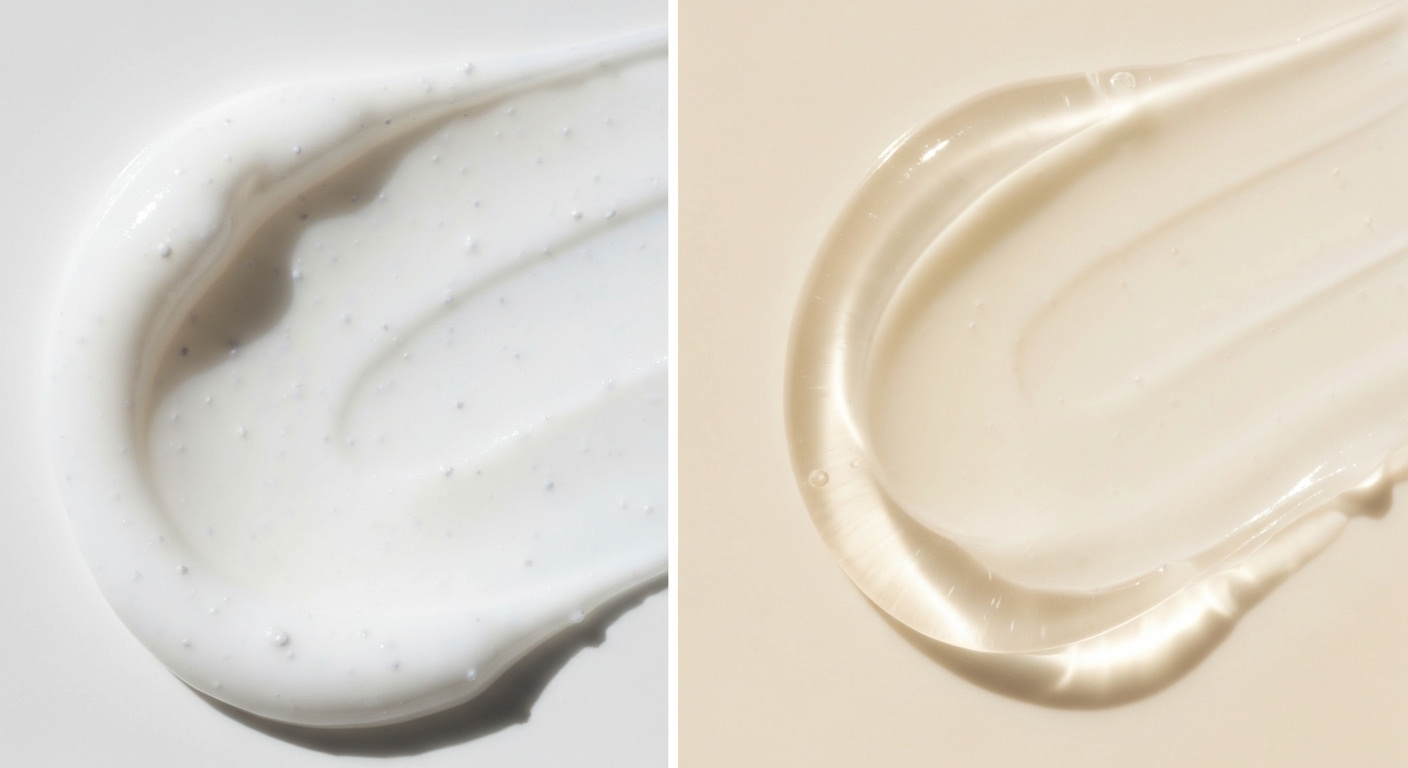
Luxury beauty is experiential, and sunscreen is no exception. Mineral SPFs often feel creamy, cushiony, and slightly more substantial—a benefit if you love a protective cocoon or prefer to skip moisturizer in humid climates. Chemical SPFs lean toward gossamer gels and silky fluids that vanish in seconds, ideal for oily or combination skin that resents extra emollients.
Hybrid formulas often win makeup artists over because they combine soft-focus diffusion with grip. They create a glassy canvas that anchors foundation and blush for hours, while mineral-only formulas sometimes need a setting powder to reduce slip. On the flip side, mineral SPFs excel at diffusing redness thanks to light-diffusing pigments, making them a favorite for rosacea or post-laser recovery.
Consider the climate you inhabit. In tropical humidity, chemical gels refresh like skincare sorbet. On alpine holidays or during ski season, mineral creams feel like a cashmere layer, guarding against cold winds while blocking high-altitude rays.
Pros and Cons at a Glance
| Filter Type | Standout Advantages | Potential Drawbacks |
|---|---|---|
| Mineral |
|
|
| Chemical |
|
|
| Hybrid |
|
|
Use this snapshot to evaluate which filter family fits your primary lifestyle scenarios. You might gravitate toward mineral for recovery days, chemical for big meetings under makeup, and hybrid formulas for travel when packing only one bottle.
Match Your Skin Type to the Right Luxury SPF
No matter how exquisite the packaging looks on your vanity, sunscreen only works if you apply it generously and consistently. Aligning formula to skin type ensures you enjoy every application. Use this matrix to curate your perfect SPF wardrobe:
- Dry or Mature Skin: Seek mineral or hybrid creams laced with ceramides, squalane, and peptides for cushiony hydration. Tinted mineral options can double as a skin-blurring base on no-makeup days.
- Combination or Balanced Skin: Hybrid gels deliver velvety slip without overloading T-zones. Look for oil-balancing niacinamide or sebum-mimicking esters that smooth without shine.
- Oily or Blemish-Prone Skin: Chemical fluids with alcohol-free bases and mattifying silica control dewiness. Newer filters are far less comedogenic than heavy mineral pastes of the past.
- Sensitive or Post-Procedure Skin: Mineral sunscreens with high zinc percentages and calming ingredients like allantoin or centella ease inflammation while protecting fragile skin barriers.
- Deep Skin Tones: Choose chemical or sheer hybrid formulas with zero white cast, or tinted mineral options intentionally designed to match melanin-rich complexions.
Remember that skin changes with seasons, stress, and treatments. Maintain at least two SPF textures on rotation so you can respond to the moment—maybe a mineral cream after a resurfacing peel and a chemical gel for an early flight followed by meetings.
Glow Curated’s Luxury Sunscreen Edit
Ready to shop? These curated picks represent the pinnacle of mineral, chemical, and hybrid sunscreens for 2025. Each one is vetted for sensorial excellence, thoughtful filter selection, and packaging that respects your top shelf.
Mineral Marvels
These formulas rely on zinc oxide and titanium dioxide but feel as airy as your favorite moisturizer. Expect luminous finishes and skincare-grade ingredients that soothe and protect simultaneously.
- Chantecaille Ultra Sun Protection Broad Spectrum SPF 45 Primer — A weightless fluid primer with non-penetrating filters, cherry blossom, and green tea extracts to calm reactive skin while blurring pores.
- Clé de Peau Beauté UV Protective Cream SPF 50+ — Luxurious cushion-cream offering 10-hour moisture, blue-light defense, and a demi-matte mineral veil that flatters every skin tone.
- Dr. Barbara Sturm Sun Drops SPF 50 — A customizable serum-style shield with cassia extract, vitamin E, and beta-glucan to soothe and fortify post-treatment skin.
Chemical Couture
Choose these when you want an invisible finish that plays well with red-carpet makeup or humid climates. They harness cutting-edge European filters for uncompromising UVA and UVB protection.
- Mila Moursi Broad Spectrum Sunscreen 1.7 Fl Oz — A featherweight gel drenched in antioxidants, peptides, and omega acids for city-proof protection without residue.
- Decorté Sun Shelter Multi Protection Sunscreen Broad Spectrum SPF 50+ — Japanese technology that guards against UVA/UVB, dryness, and pollution with an invisible, humidity-proof finish.
- Clé de Peau Beauté Long-Lasting Hydrating Veil SPF 21 — A serum-light primer that smooths complexion, controls shine, and extends makeup wear while delivering daily UV coverage.
Hybrid Heroes
These best-of-both-worlds formulas deliver second-skin radiance, reliable water resistance, and a balanced filter profile that travels globally.
- Chantecaille Just Skin Tinted Moisturizer Sunscreen Broad Spectrum SPF 15 — Hydrating botanical polysaccharides and a dewy tint create a skin-care-meets-makeup finish ideal for travel days.
- Kypris Pot of Shade Heliotropic – SPF 30 & Primer — Moisturizing botanicals and non-nano filters deliver a cushioned base that pairs beautifully with foundation.
- La Prairie Skin Caviar Concealer Foundation Sunscreen SPF 15 — A luxe compact combining serum-infused foundation and concealer for seamless touch-ups with built-in sun care.
Application Technique Matters More Than Filter Type
The most sophisticated sunscreen fails if you under-apply. Luxury formulas tempt you to savor minuscule drops, but full protection requires at least a quarter teaspoon for face and neck. Use the two-finger method—two generous lines of product along your index and middle finger—to guarantee adequate coverage.
Mineral sunscreens should be pressed and smoothed rather than aggressively rubbed to maintain even coverage. Chemical formulas need a 10 to 15 minute settling period before sun exposure, so apply before breakfast or while styling hair. Reapply every two hours during outdoor time; set a reminder on your phone and stash a cushion compact SPF or mist in your tote for mid-day touch-ups without disturbing makeup.
Don’t forget neglected areas: ears, eyelids, hairline, and the back of hands. For lips, layer a dedicated SPF balm. For body, keep a coordinating sunscreen that mirrors your face formula—mineral for sensitive skin, chemical for sand-proof water resistance.
Layering Strategies with Serums, Makeup, and Treatments
Luxury routines often feature potent actives like vitamin C serums, retinoids, and exfoliating acids. To prevent pilling or irritation, follow this sequence:
- Prep with antioxidant serums (vitamin C, resveratrol) and let them absorb fully.
- Apply moisturizer tailored to your skin type. Allow at least two minutes for emulsifiers to settle.
- Layer sunscreen generously, using pressing motions to preserve even film formation.
- Finish with makeup or tinted SPF if desired, stippling foundation rather than dragging to avoid disrupting the sunscreen layer.
Nighttime treatments like retinoids make skin more photosensitive, reinforcing the need for diligent SPF. Consider alternating retinoid nights with restorative masks so skin feels balanced and ready for daily sunscreen application.
Sustainability & Reef Considerations
Eco-conscious travelers should research destination-specific regulations. Hawaii currently restricts oxybenzone and octinoxate; parts of Mexico prohibit octocrylene. Luxury brands increasingly publish eco-impact studies and adopt biodegradable filters. Mineral formulas are often marketed as reef-safe, but nano-sized particles can still influence marine ecosystems. Seek out brands that test for biodegradability, support reef restoration, and use refillable or recyclable packaging.
Another sustainable strategy: finish every bottle before opening a new one. Sunscreen loses potency after its expiration date or prolonged heat exposure, so avoid storing bottles in hot cars or pool bags. Rotate through your wardrobe seasonally to prevent waste while ensuring maximum efficacy.
Travel Tips for Maintaining Your Sunscreen Ritual
Frequent flyers and jetsetters should build a dedicated SPF kit. Decant mineral creams into airless pumps to prevent contamination, and pack chemical fluids in leak-proof silicone bottles if the original packaging is bulky. Always carry sunscreen in your personal item; cabin pressure shifts can cause pumps to malfunction if stored in checked luggage.
For long-haul flights, apply a hydrating mineral sunscreen before boarding to buffer cabin air, then reapply with a stick or compact after landing. When exploring sun-drenched cities, combine chemical SPF with a wide-brim hat and sunglasses for comprehensive protection. Remember that reflective surfaces like snow, sand, and water intensify UV exposure, so reapplication frequency should increase during beach clubs or ski trips.
Post-Sun Care Completes the Ritual
After a day in the sun, your skin craves soothing and repair. Double cleanse to remove sunscreen, sweat, and pollution. Follow with a replenishing essence loaded with panthenol, then seal moisture with a barrier-repair cream containing ceramides and cholesterol. Once or twice a week, treat skin to an overnight mask with algae or snow mushroom to restore bounce.
If you overexpose, mineral sunscreens with zinc oxide can continue to calm skin post-sun, while antioxidant-rich chemical formulas help neutralize lingering free radicals. Keep a calming mist with thermal water or centella on hand to cool skin immediately after cleansing.
The Verdict: Build a Wardrobe, Not a Winner-Takes-All Mindset
Mineral vs. chemical isn’t a battle—it’s a wardrobe conversation. Luxury SPF gives you permission to own multiple textures for different scenarios. Reach for mineral when skin is reactive or you crave a demi-matte, perfected finish. Choose chemical when humidity spikes or you want zero cast for flash photography. Keep hybrids on standby for travel and event days when you need everything: glow, grip, and resilient protection.
What matters most is consistent, generous application. When you love how a sunscreen looks, smells, and layers, you’ll apply the recommended amount every single morning—no exceptions. That’s when luxury becomes a pragmatic investment, extending your glow and safeguarding skin health for decades to come.
Curate your SPF wardrobe with intention, and sun protection transforms from a chore into the highlight of your morning ritual.